When War Becomes a Template: How Memes and Propaganda Reshape Public Understanding
Recent ceasefire announcements in the Middle East offered a moment to reflect on a modern phenomenon: the transformation of conflict into shareable online content. Over recent weeks, platforms...
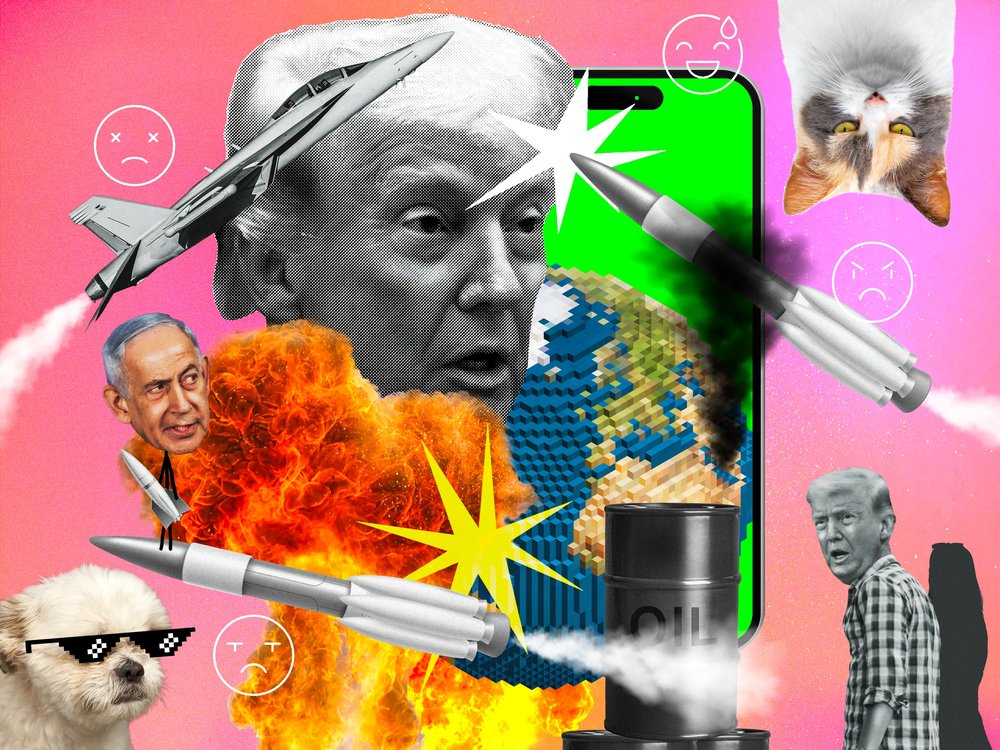
Recent ceasefire announcements in the Middle East offered a moment to reflect on a modern phenomenon: the transformation of conflict into shareable online content. Over recent weeks, platforms were flooded with ironic drafts, viral songs about loss, and filters applying military aesthetics. The tone varied by geography—from detached American jokes to fatalistic Gulf humor—but the impulse was unified: turning fear into a format.
This isn't new. Dark humor as a response to crisis has deep roots. What's changed is the distribution system. A joke, once confined to a community, now becomes a global template in minutes, propelled by algorithms that prioritize engagement over depth. The most successful memes are generic, easy to remix, and stripped of complicating context.
Scholar Adel Iskandar notes that satire has long flourished under pressure. "Where there is hardship, there is satire," he says. Today, that tradition merges with recommendation engines designed to keep scrolling.
Governments have taken note. State communications now adopt meme-native language: cinematic edits, AI-generated visuals, and video game references. During recent operations, both U.S. and Iranian channels released highly stylized content that, according to reports, garnered billions more impressions than traditional news coverage. This material is crafted for the same ecosystem of shareable reaction that user memes inhabit.
The consequence is a paradox of familiarity. A 2024 study points to an "illusion of knowledge," where social media consumption increases the feeling of being informed without deepening actual understanding. People encounter crises as symbols and jokes, detached from history or cause. As communication professor Sut Jhally observes, "There’s a big difference between knowing something and understanding it."
The risk is not ignorance, but a false fluency. When war is delivered and consumed as content, the public may recognize the format but miss the conflict. The feed moves at the speed of a trend; reality does not.
Source: Wired
Ready to Modernize Your Business?
Get your AI automation roadmap in minutes, not months.
Analyze Your Workflows →