Token Built an AI Agent That Broke Its Own Security Rules - and Shared What It Learned
Token says it built a browser agent that violated all three of its own security principles by default: agents having their own identities, access scoped to their tasks, and traceability separate...
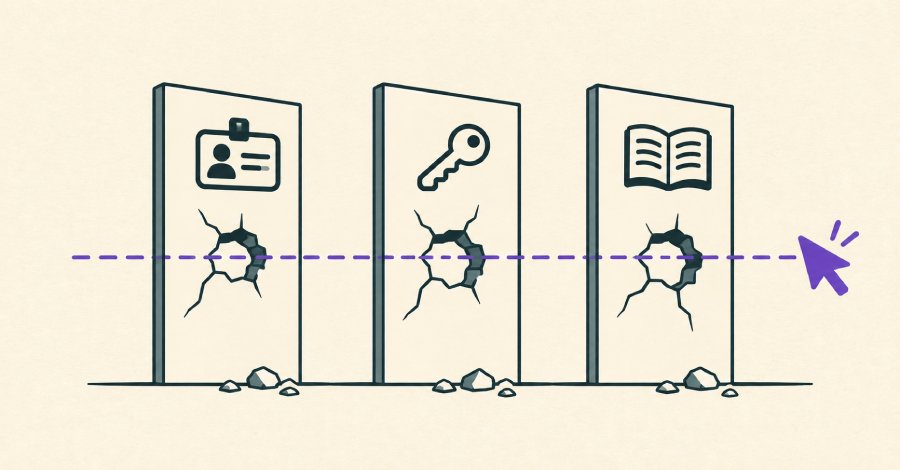
Token says it built a browser agent that violated all three of its own security principles by default: agents having their own identities, access scoped to their tasks, and traceability separate from any human user. The company describes the exercise as a way to work out how such agents should be defended.
The agent, named Rehearsal, answers questions inside the Token platform by acting rather than telling - opening pages, setting filters and filling in forms on its own. It runs in the user's browser session, so to the server behind a page its clicks look no different from the user's, since nothing in a session cookie identifies who is driving.
Because Token owns both the agent and the app, it could close each gap from the inside. It dims and locks the application while the agent works and shows who has control, records every move including blocked ones, and keeps the agent's reach below the user's: dashboards are read-only, nothing is saved without user approval, secret fields are left alone and refused calls are never sent.
That only works because Token wrote the agent. An outside browser agent driving a CRM or cloud console has no actor, scope or page map, and the app cannot tell it is there. Token points to emerging efforts - Chrome's auto-browse approvals, Microsoft's per-site admin controls, the WebMCP draft from Google and Microsoft, and the Web Bot Auth IETF draft - but says no layer connects them.
Until then, Token advises security teams to inventory browser agents and agentic extensions, trace who uses each agent, review the identities each agent can reach, map attack paths that bypass access controls, and require step-up authentication before sensitive actions.
Source: The Hackers News
Ready to Modernize Your Business?
Get your AI automation roadmap in minutes, not months.
Analyze Your Workflows →