The New Identity Frontier: Proving You're Human in an AI-Saturated World
As AI-generated personas become more common online, a simple question gains complexity: how do you prove you're a real person? From video conferences to dating apps, the need for reliable human...
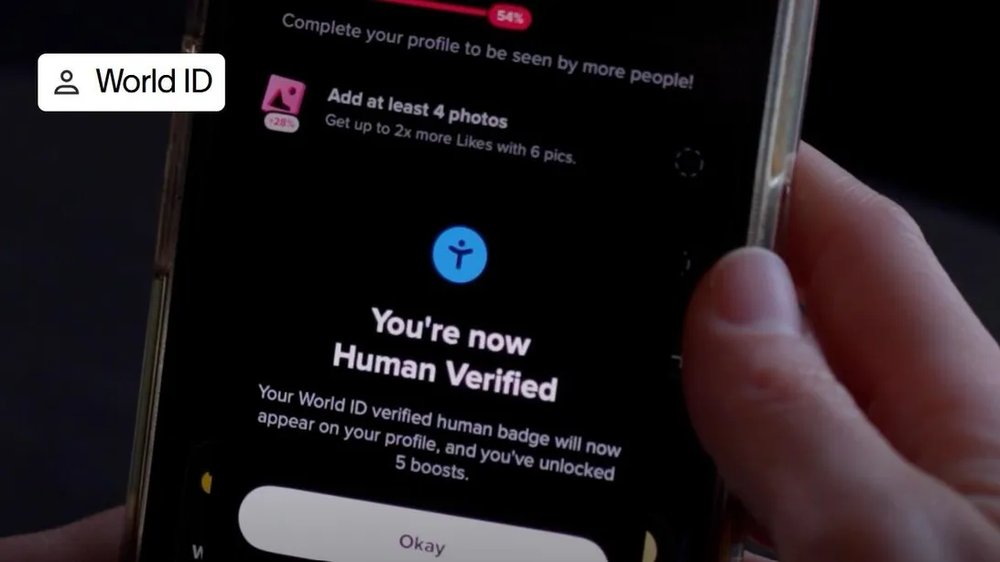
As AI-generated personas become more common online, a simple question gains complexity: how do you prove you're a real person? From video conferences to dating apps, the need for reliable human verification is growing. World ID, a project co-founded by OpenAI's Sam Altman, is positioning itself as an answer. Originally launched with cryptocurrency in mind, the platform has pivoted to focus squarely on digital identity.
Major integrations are now underway. Zoom plans to use World ID's Deep Face technology for real-time participant verification during calls, aiming to add a layer of trust to virtual meetings. On the social front, Match Group will test World ID for age verification on Tinder profiles in Japan, with successful checks earning a verified badge. The company is also tackling e-commerce and entertainment, working with partners like Shopify and offering a 'Concert Kit' to help artists ensure tickets go to humans, not automated bots.
Perhaps the most distinctive element is the Orb, a spherical, open-source hardware device available for pre-order. World ID describes it as a privacy-focused tool that confirms an individual's unique human identity without collecting personal data. While the Orb's design is unconventional, its purpose reflects a broader industry challenge. For business leaders evaluating AI infrastructure and deployment tools, the emergence of verification systems like World ID highlights a new operational layer: managing and authenticating human interaction within increasingly automated digital environments.
Source: CNET
Ready to Modernize Your Business?
Get your AI automation roadmap in minutes, not months.
Analyze Your Workflows →