The Dark Side of AI in Education: When Technology Fails to Deliver
A recent study has raised concerns about the impact of artificial intelligence on students, suggesting that its integration into schools may be having unintended consequences. Rather than...
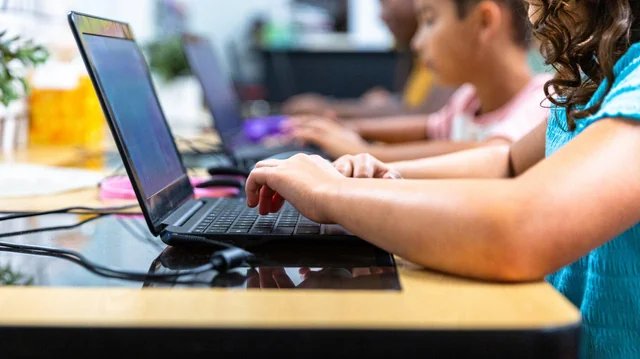
A recent study has raised concerns about the impact of artificial intelligence on students, suggesting that its integration into schools may be having unintended consequences. Rather than enhancing the learning experience, AI may be hindering student progress and creating new challenges for educators. The research highlights the potential risks of relying too heavily on technology in the classroom, including the exacerbation of existing inequalities and the limitation of critical thinking skills. As schools continue to invest in AI-powered tools, it's essential to consider the potential downsides and ensure that these technologies are being used in a way that supports, rather than undermines, the educational process.
By taking a more nuanced approach to AI adoption, educators can harness the benefits of these technologies while minimizing their negative effects. This requires a careful evaluation of the role of AI in the classroom and a commitment to developing strategies that prioritize student needs and outcomes. As the education sector continues to evolve, it's clear that a balanced approach to technology integration is needed to ensure that AI serves to augment, rather than impede, the learning process.
Source: Reddit Tech
Ready to Modernize Your Business?
Get your AI automation roadmap in minutes, not months.
Analyze Your Workflows →