Tesla's Robotaxis Acknowledge Human Remote Control, Diverging from Industry Norms
Tesla has informed U.S. Senator Ed Markey that its robotaxis can, in specific circumstances, be driven remotely by human operators. This detail, reported by Wired, reveals a notable operational...
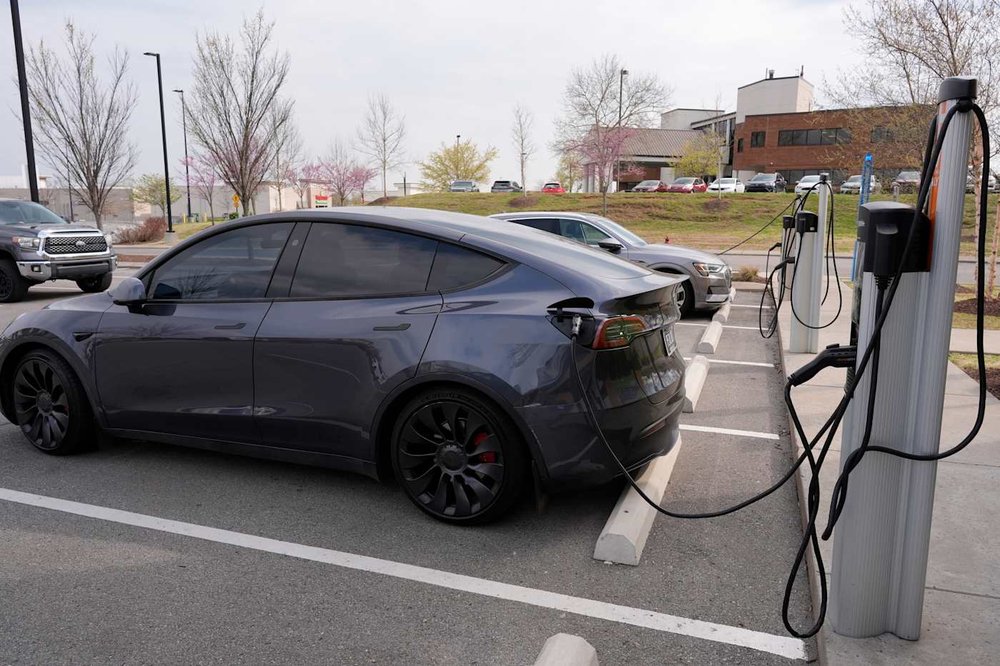
Tesla has informed U.S. Senator Ed Markey that its robotaxis can, in specific circumstances, be driven remotely by human operators. This detail, reported by Wired, reveals a notable operational difference from other autonomous vehicle developers.
In a letter from Karen Steakley, Tesla's director of public policy, the company described remote human control as a final redundancy. Operators may assume direct control of a vehicle moving at very low speeds—around 2 mph or less—and can then guide it at up to 10 mph if the system allows. Tesla framed this as a last-resort measure after other interventions fail.
This practice stands apart from the standard approach. Companies like Waymo employ remote assistants, often called "fleet response," to provide navigational advice to the vehicle's software. These workers do not take physical control; they interpret sensor data to help the car resolve a situation independently. The industry generally avoids remote driving due to concerns over network delays and the constrained field of view from vehicle sensors.
Tesla's strategy for autonomy has consistently differed from its peers. It relies solely on camera-based vision for its Full Self-Driving system, eschewing the lidar and radar sensors common elsewhere. The company's autonomous efforts are under scrutiny from federal safety regulators following several prominent crashes.
The robotaxi service, launched in Austin, Texas in mid-2025, initially included human safety drivers in the vehicles. As Tesla progresses to tests without in-car drivers, the protocol for remote operator intervention appears to be part of its contingency planning for that next phase.
Source: Engadget
Ready to Modernize Your Business?
Get your AI automation roadmap in minutes, not months.
Analyze Your Workflows →