Tesla Faces Legal Reckoning Over Fatal Crash Involving Driver Assistance Feature
A recent crash in Texas has sparked a lawsuit against Tesla, with the family of a 76-year-old grandmother alleging that the company's Full Self-Driving (Supervised) feature played a role in her...
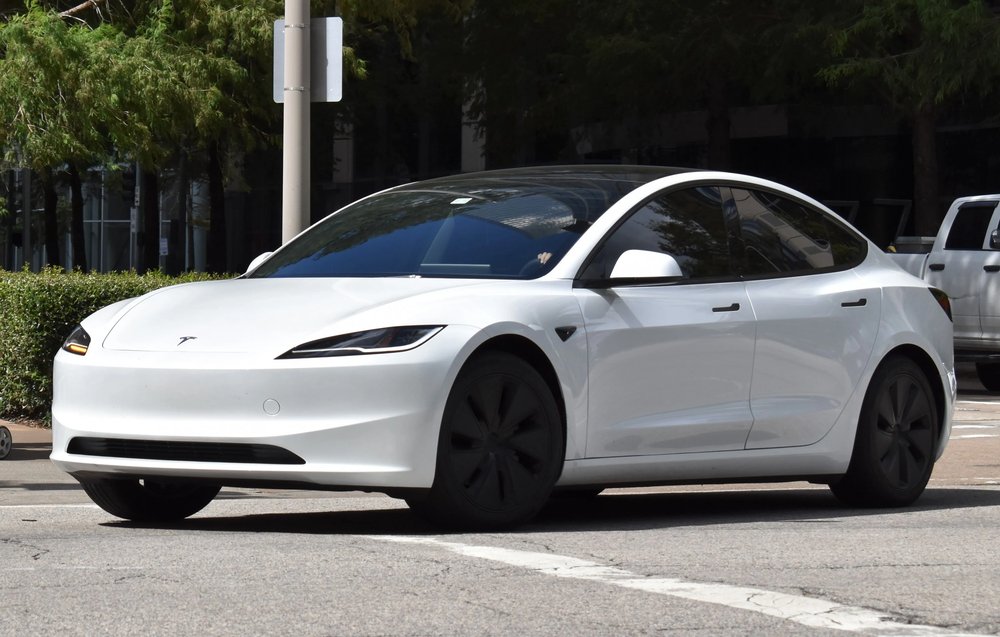
A recent crash in Texas has sparked a lawsuit against Tesla, with the family of a 76-year-old grandmother alleging that the company's Full Self-Driving (Supervised) feature played a role in her death. The incident occurred when a Tesla Model 3 crashed into the woman's home at over 70 miles per hour, killing her. The driver, who had the feature engaged, claimed he was not intoxicated and exhibited no signs of impairment. However, the lawsuit argues that Tesla's technology was defective and unreasonably dangerous.
This case is not the first time Tesla has faced scrutiny over its driver assistance features. Last year, a Florida jury found Tesla partially responsible for a crash involving its Autopilot software, awarding $243 million in damages. Critics argue that Tesla's features can lull drivers into a false sense of security, making them less prepared to take over in emergency situations. The National Highway Traffic Safety Administration and the National Transportation Safety Board have both opened investigations into the Texas crash.
As the case unfolds, it may shed light on the limitations and potential risks of Tesla's driver assistance technology. The company has yet to comment on the lawsuit, but its vice president of AI software and CEO Elon Musk have both pushed back against speculation that the technology was at fault. With multiple federal agencies investigating and a lawsuit underway, this case is likely to have significant implications for the development and deployment of autonomous driving features.
Source: Wired gear
Ready to Modernize Your Business?
Get your AI automation roadmap in minutes, not months.
Analyze Your Workflows →