SK hynix pulls in $26.5 billion with blockbuster US stock listing
South Korea's SK hynix has priced its massive US stock offering at $26.5 billion, capitalizing on the artificial intelligence boom in what ranks among the largest public sales in history. The...
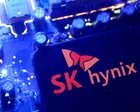
South Korea's SK hynix has priced its massive US stock offering at $26.5 billion, capitalizing on the artificial intelligence boom in what ranks among the largest public sales in history. The memory chip supplier, which provides advanced components to Nvidia, set the price for about 18 million shares on the tech-heavy Nasdaq index, with each American depositary share representing one-tenth of a standard share at $149.
The listing was more than seven times oversubscribed, reflecting strong investor appetite despite recent turbulence in tech stocks. SK hynix shares have surged more than 220% this year in Seoul, and the company's market cap passed $1 trillion in May - joining domestic rival Samsung Electronics and US chip maker Micron in an exclusive club of about a dozen trillion-dollar firms. The offering, led by BofA Securities, Citigroup, Goldman Sachs and JP Morgan, beats Saudi Aramco's 2019 debut and Alibaba's New York IPO, though it trails the $75 billion raised by SpaceX last month.
SK hynix plans to use the proceeds to build a new fabrication hub in Yongin and an advanced packaging facility in Cheongju, part of a broader 800 trillion won public-private chip cluster in southwest South Korea. The company dominates the market for high-bandwidth memory chips used in AI servers, and analyst MS Hwang of Counterpoint Research says the funds will help it challenge Samsung for overall leadership. Meanwhile, the AI chip boom has sparked debate in South Korea over tax windfalls and worker pay, with Samsung recently averting a strike by agreeing on bonuses.
Source: The Guardian
Ready to Modernize Your Business?
Get your AI automation roadmap in minutes, not months.
Analyze Your Workflows →