Researcher Reports Unpatched Tailscale SSH Flaws Could Give Root Access From One Hacked Device
A security researcher has published findings claiming that a single compromised device on a Tailscale network could be used to gain root access to other servers it can reach. The report, called...
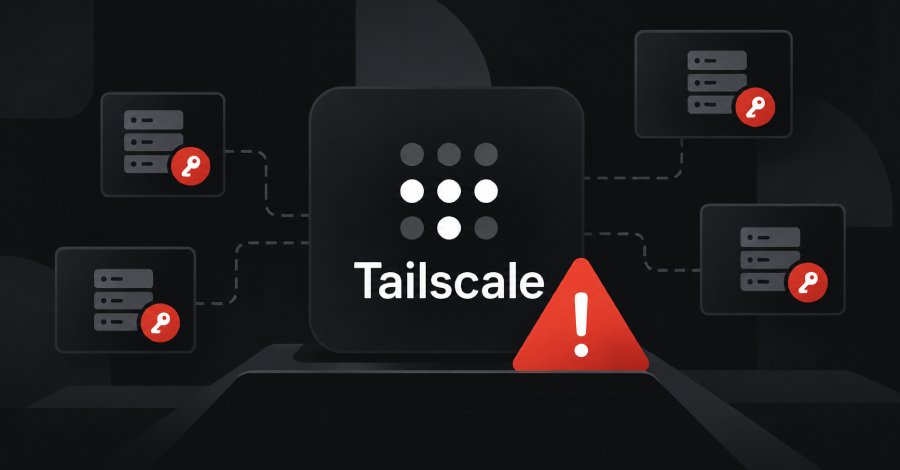
A security researcher has published findings claiming that a single compromised device on a Tailscale network could be used to gain root access to other servers it can reach. The report, called Tailworm, was released on October 25 by Erica Windisch of Cyberdione Labs, and describes lab tests on Tailscale version 1.104.2 and headscale version 0.29.5 rather than attacks on real networks.
The claimed attack requires Tailscale SSH configured to allow port forwarding and an attacker who already controls one device that access rules permit to connect to a target. Because Tailscale SSH identifies devices rather than checking passwords or keys, the report says no stolen credentials are needed - only an initial foothold, which Tailscale itself does not create. In the lab, Windisch demonstrated methods including gaining root and reading the system password file, replacing a root-owned socket, and racing a file-path check; one chain captured a key used to enroll new devices.
As of publication, Tailscale had issued no security bulletin, CVE identifier, or fixed version. Mike Shaver, the company's vice president of engineering, wrote on Reddit that Tailscale had received the report, had already been examining the same areas with outside specialists, and is working to fix issues found, adding that it is "not recommending that everyone disable Tailscale SSH."
The findings rest on Windisch's report alone; no other researcher has publicly reproduced them and Tailscale has not confirmed the specific technical claims. Some researchers have questioned the "wormable" description, while others have called the root-access finding serious. The SSH issue is one of 11 findings in the report, which also covers app connectors, the serve feature, the DERP relay, and headscale.
With no patch available, suggested steps include writing SSH access rules as single source-to-destination pairs, turning off SSH port forwarding where possible, removing unnecessary app connector permissions and serve forwards pointing at Unix sockets, enabling node-key expiry, and deleting compromised devices at the control plane rather than reimaging them. Tailscale also suggests enabling SSH check mode and automatic updates, though check mode does not fix the privilege escalation.
Source: The Hackers News
Ready to Modernize Your Business?
Get your AI automation roadmap in minutes, not months.
Analyze Your Workflows →