New Documentary 'The AI Doc' Captures the Human Tension Behind the Technology
A new documentary opening in theaters today, March 27, 2026, tackles the profound unease and hope surrounding artificial intelligence. 'The AI Doc: Or How I Became an Apocaloptimist' moves beyond...
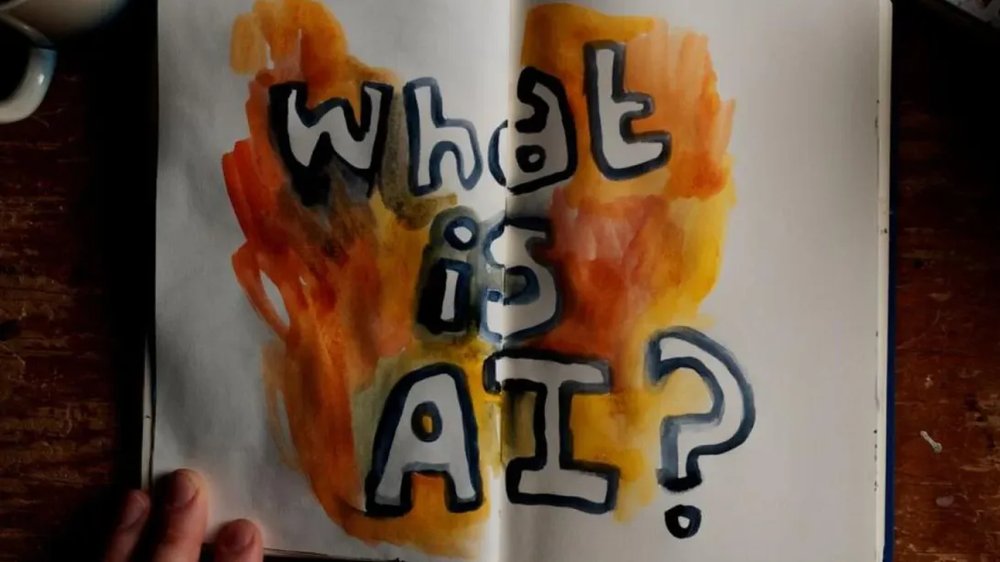
A new documentary opening in theaters today, March 27, 2026, tackles the profound unease and hope surrounding artificial intelligence. 'The AI Doc: Or How I Became an Apocaloptimist' moves beyond industry hype to examine the raw human emotions driving the debate. Directed by Oscar-winner Daniel Roher ('Navalny') and acclaimed filmmaker Charlie Tyrell, the film uses the intimate lens of fatherhood—both directors welcomed children during production—to frame a global conversation.
The documentary assembles a chorus of voices, from OpenAI's Sam Altman to UC Berkeley researcher Deb Raji, exploring whether AI represents an unprecedented threat or a transformative tool. In an interview, Tyrell emphasized the film’s goal was accessibility. "We wanted to create a starting point for a conversation, especially for those who feel overwhelmed or inclined to ignore the subject," he said.
Tyrell highlighted the stark realities behind the technology, noting the immediate beneficiaries are often tech companies seeing soaring valuations, while hidden costs emerge elsewhere. He pointed to communities facing resource depletion from data centers and low-wage workers exposed to traumatic content while training AI systems.
A key takeaway for Tyrell is the technology's inherent duality. "It is both things at the same time," he stated. "It will have amazing capabilities and horrible capabilities. To wield it, we need to acknowledge that's what it's going to be." The film argues that the impacts of poorly deployed systems, such as flawed facial recognition leading to wrongful arrests, will eventually scale to affect everyone, regardless of privilege.
For Tyrell, a pressing question involves transparency for everyday users. He wishes interfaces would illuminate the environmental cost—water and energy usage—of generating AI images, hoping it would lead to more conscious consumption. The documentary, while not providing easy answers, insists that navigating AI's future requires holding its immense promise and peril in view simultaneously.
Source: CNET
Ready to Modernize Your Business?
Get your AI automation roadmap in minutes, not months.
Analyze Your Workflows →