NASA's JPL Team Hits Rotor Milestone for Heavier Mars Helicopters
Three years after the Ingenuity helicopter wrapped up its historic Mars mission, engineers at NASA's Jet Propulsion Laboratory are pushing rotorcraft technology into new territory. Their goal:...
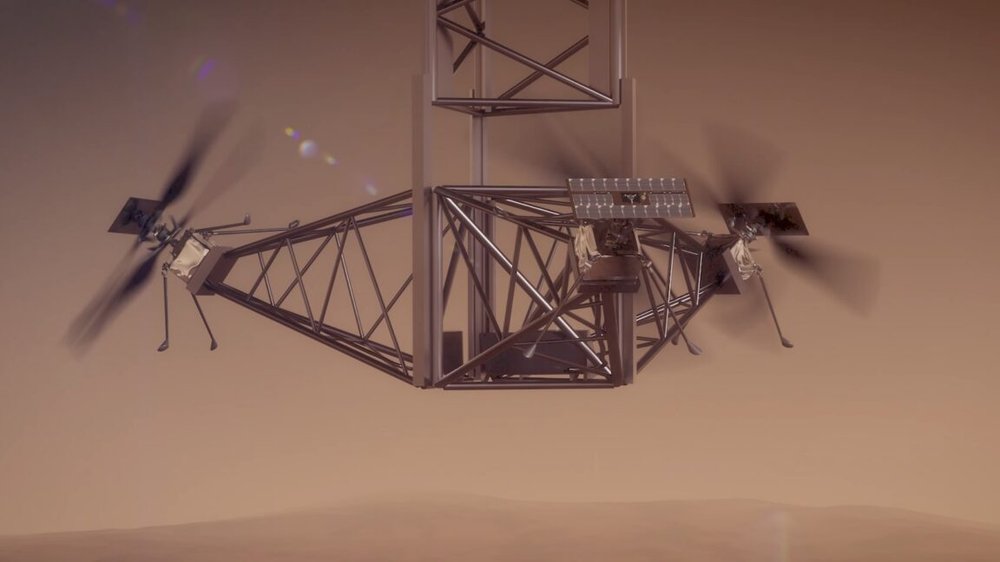
Three years after the Ingenuity helicopter wrapped up its historic Mars mission, engineers at NASA's Jet Propulsion Laboratory are pushing rotorcraft technology into new territory. Their goal: build larger, more capable helicopters that can haul heavier science payloads across greater distances on the Red Planet.
Ingenuity was a game-changer. The tiny, 4-pound chopper completed 72 flights - far exceeding its original five-flight, 30-day target - before a crash landing ended its run in January 2024. It proved that aerial exploration on Mars was not just possible but practical, opening up rugged terrain that rovers can't reach.
Now JPL is working on SkyFall, a mission slated to send three upgraded helicopters to Mars as soon as late 2028. These craft will hitch a ride on Space Reactor-1, a nuclear-powered spacecraft announced earlier this year by NASA Administrator Jared Isaacman. The new helicopters will be bigger and heavier than Ingenuity, requiring a novel self-landing system that deploys after they descend through the atmosphere inside a heat shield.
A key hurdle has been the rotor blades. Mars' atmosphere is only 1% as dense as Earth's at sea level, so generating enough lift is a serious engineering challenge. JPL, working again with AeroVironment - the same partner that built Ingenuity - recently tested larger, redesigned blades in the lab. The results mark a significant step forward, bringing the SkyFall design closer to flight-ready status.
Source: Ars Technica
Ready to Modernize Your Business?
Get your AI automation roadmap in minutes, not months.
Analyze Your Workflows →