Microsoft's Carbon Footprint Jumps 25% as AI Data Center Boom Accelerates
Microsoft's greenhouse gas emissions surged roughly 25% last year, according to the company's latest sustainability report released Thursday. The spike comes as the tech industry scrambles to...
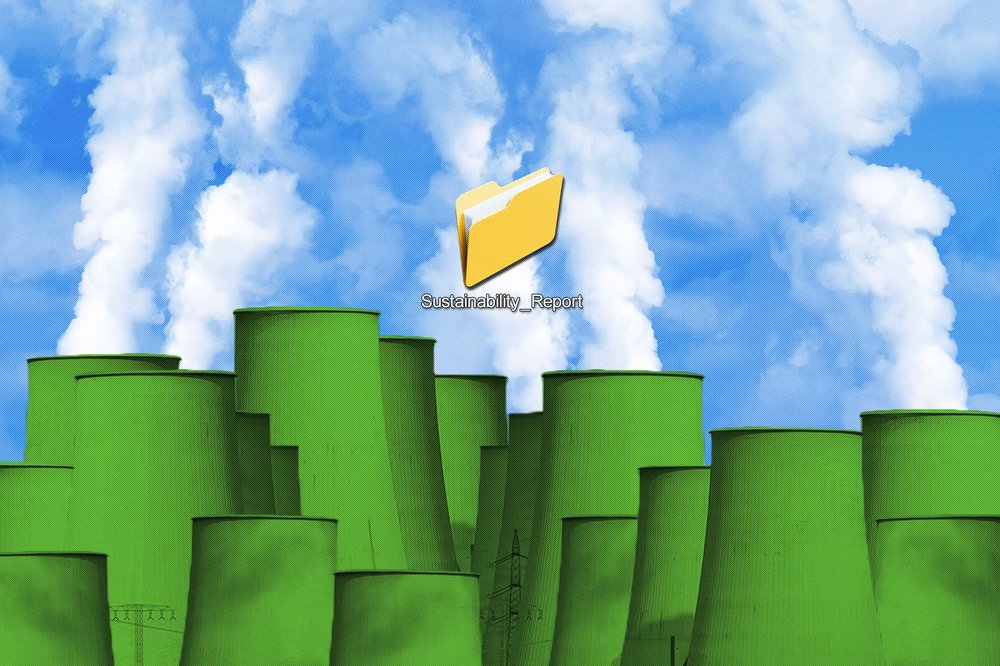
Microsoft's greenhouse gas emissions surged roughly 25% last year, according to the company's latest sustainability report released Thursday. The spike comes as the tech industry scrambles to build massive data centers to power artificial intelligence, a trend that's also pushed up emissions at Google and Amazon. In a blog post, Microsoft president Brad Smith and sustainability chief Melanie Nakagawa blamed the increase primarily on the expansion of the company's data center infrastructure, with much of the rise tied to purchased energy - so-called Scope 2 emissions - which accounted for 13% of Microsoft's total.
The report lands after Google disclosed an 18% emissions jump and Amazon reported a 16% rise, underscoring how the AI arms race is straining climate goals. Microsoft says it matched 100% of its electricity use with carbon-free sources, but its data center build-out is accelerating. Since the fiscal year ended last June, the company has inked several deals tied to gas-powered facilities: a partnership with Chevron for a West Texas data center that could emit over 11.5 million tons of CO2 annually - more than the entire state of Rhode Island - plus leases on the Stargate campus in Abilene, Texas, powered by an on-site plant that could release 7.8 million tons each year. Microsoft has also signed a nonbinding letter of intent for a West Virginia data center powered by off-grid gas, potentially adding 11 million tons of greenhouse gases.
On a positive note, Microsoft says it stopped buying unbundled renewable energy certificates - a move critics have called greenwashing because they don't actually add clean power to the grid. "It's highly commendable that Microsoft is moving away from unbundled RECs and prioritizing investments in new clean electricity," says University of Pennsylvania researcher Danny Cullenward. Still, the company remains committed to its goal of becoming "carbon negative" by 2030, even as it pours billions into AI. Smith and Nakagawa acknowledge the global race for AI is driving demand for energy, water, land, and materials, and they stress that Microsoft has "a responsibility to help ensure that technology strengthens, rather than strains, the systems and communities on which it depends."
Source: Wired science
Ready to Modernize Your Business?
Get your AI automation roadmap in minutes, not months.
Analyze Your Workflows →