Meta's Smart Glasses Plan Draws Fire From Advocacy Coalition
A broad alliance of more than 70 advocacy groups is calling on Meta to permanently shelve a reported facial recognition feature for its Ray-Ban and Oakley smart glasses. The coalition, which...
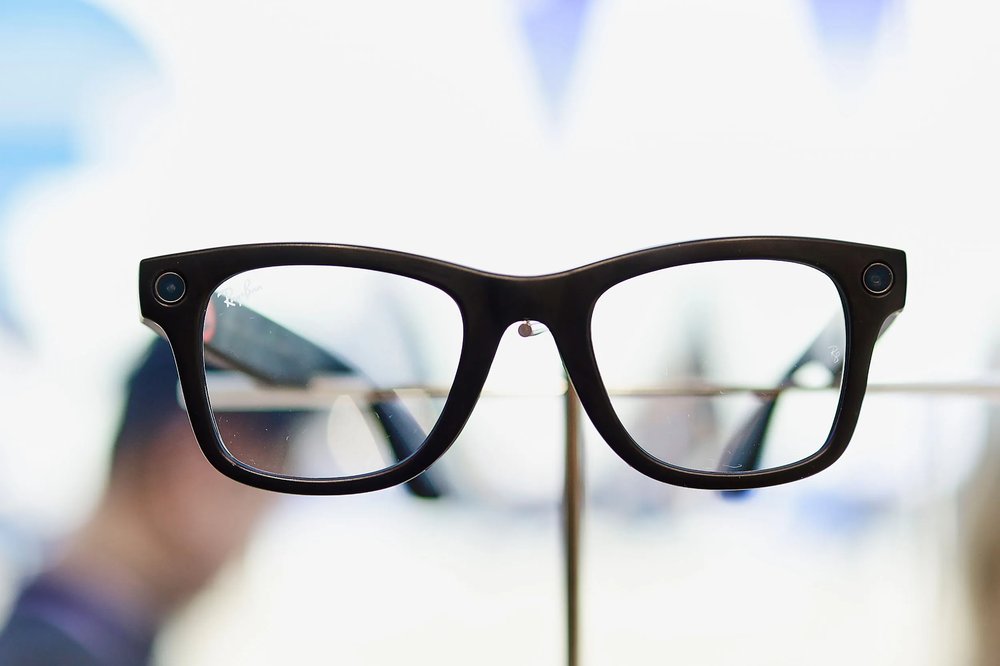
A broad alliance of more than 70 advocacy groups is calling on Meta to permanently shelve a reported facial recognition feature for its Ray-Ban and Oakley smart glasses. The coalition, which includes the ACLU, EPIC, and the Leadership Conference on Civil and Human Rights, argues the technology—internally referred to as “Name Tag”—would create unprecedented risks for public anonymity and safety.
The feature, as described in earlier reports, would allow glasses wearers to access information about people they see. Meta engineers have reportedly considered versions that identify either personal contacts or any stranger with a public Meta profile. In a letter to CEO Mark Zuckerberg, the coalition stated that such a system embedded in everyday eyewear presents dangers that cannot be mitigated by design tweaks or user controls, as bystanders cannot consent to being identified.
The groups are demanding Meta disclose any known cases of its wearables being used for stalking or harassment, reveal any talks with federal law enforcement agencies about the devices, and commit to consulting external experts before adding biometric identification to consumer products. They contend the glasses could enable abuse by private individuals and government actors, eroding privacy in public spaces.
Internal documents suggest Meta considered launching the feature during a politically charged period when critics might be distracted. The coalition has labeled this tactic “vile behavior.”
Meta stated it does not currently offer such a feature and would be “very thoughtful” if it ever did. The company has a complex history with facial recognition, having shut down Facebook’s photo-tagging system in 2021 amid regulatory uncertainty and billions in legal settlements related to biometric data. The company now faces increased legal scrutiny over product design, including recent rulings that challenge immunity claims related to allegedly addictive features.
Source: Wired
Ready to Modernize Your Business?
Get your AI automation roadmap in minutes, not months.
Analyze Your Workflows →