GM Taps AI to Speed Vehicle Development and Supercharge OnStar
General Motors is betting heavily on artificial intelligence to accelerate how it designs and builds vehicles, aiming to cut the time it takes a product to go from concept to production from four...
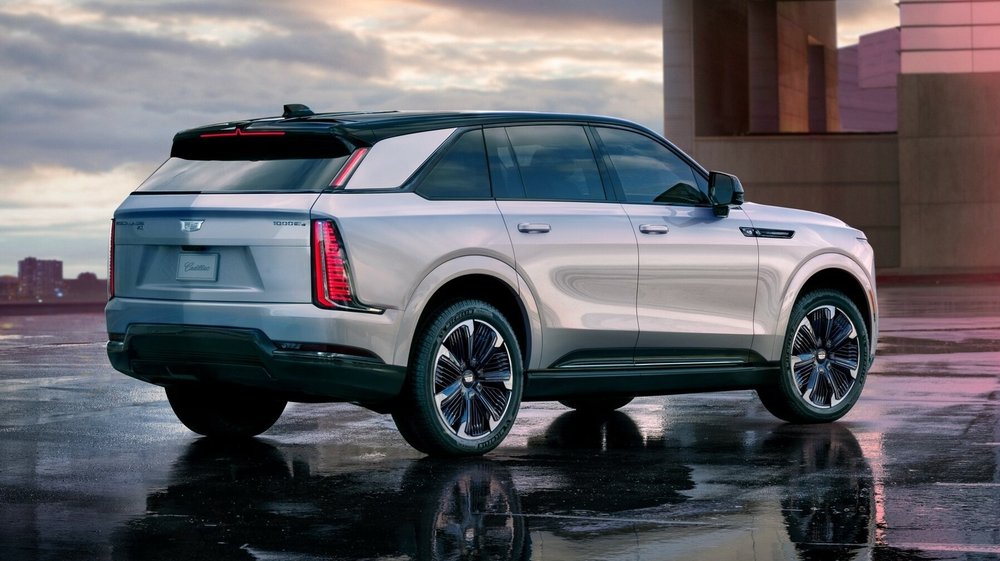
General Motors is betting heavily on artificial intelligence to accelerate how it designs and builds vehicles, aiming to cut the time it takes a product to go from concept to production from four or five years down to roughly two.
The approach is already paying off with GM's lithium manganese rich batteries. Using AI to test more than 300,000 battery designs virtually before building a physical prototype, the company went from its first LMR battery pack concept to formal project approval in just one month.
AI is also reshaping OnStar. A new OnStar AI Assistant will arrive via over-the-air update with the 2027 Cadillac Lyriq in the coming months, letting drivers adjust cabin temperature, turn on dome lights, open the glove box and charge port, check tire pressure and charging status, and even explain how features like one-pedal driving work. If the system can't answer something, it connects the driver with a real OnStar Advisor. A new unified OnStar app will replace the separate Buick, Cadillac, Chevrolet and GMC apps.
GM also detailed its Generation 4 EV platform, built around LMR cells that use less cobalt and nickel and more manganese, promising higher energy density than LFP cells at similar cost. The cells will be produced at GM's Spring Hill, Tennessee plant with LG Energy. GM has said LMR batteries could cut the cost of a Chevrolet Silverado EV by about $6,000 while matching its current 400-mile range. A new Central Compute Unit with 40 times the computing power of previous systems and 30% less wiring will debut in the 2028 Cadillac Escalade IQ, which will also launch with autonomous highway driving. GM confirmed its gas-powered vehicles will support the same advanced driver assistance systems.
Source: Carscoops
Ready to Modernize Your Business?
Get your AI automation roadmap in minutes, not months.
Analyze Your Workflows →