Generalist's GEN-1 Robot Achieves Near-Perfect Task Performance
Robotics firm Generalist has introduced GEN-1, an artificial intelligence system designed for physical work. The company reports the model now completes a variety of manual tasks with 99%...
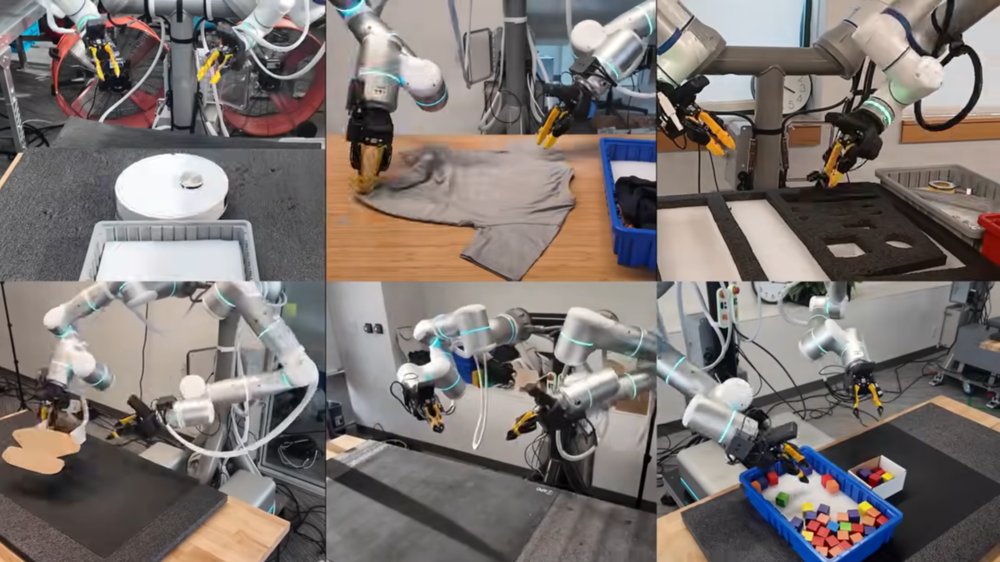
Robotics firm Generalist has introduced GEN-1, an artificial intelligence system designed for physical work. The company reports the model now completes a variety of manual tasks with 99% reliability, operating about three times faster than its predecessor. Demonstrated applications include folding cardboard boxes, packaging electronics, and performing maintenance on robotic vacuums.
The advancement stems from a significant data collection effort. Unlike large language models trained on vast text archives, physical AI lacks a ready-made dataset of human dexterity. To bridge this gap, Generalist used specialized wearable sensors called "data hands" to record the fine movements of people performing tasks. The company has amassed over half a million hours of this interaction data, totaling petabytes of information for model training.
This foundation allows GEN-1 to adapt quickly. After an hour of calibration to a specific robot's hardware, the pre-trained model can begin precise operations like placing money into a wallet or sorting automotive components. Perhaps more notably, the system can improvise. Generalist engineers say GEN-1 can recover from unexpected disruptions by drawing on its broad training, a move away from robots that follow rigid, pre-programmed scripts for single, narrow jobs. This suggests a step toward more resilient and versatile automation for repetitive mechanical work.
Source: Ars Technica
Ready to Modernize Your Business?
Get your AI automation roadmap in minutes, not months.
Analyze Your Workflows →