Ford's Quality Rebound: How Human Expertise Trumped AI
In a significant reversal, Ford has credited its recent quality turnaround to the reintroduction of experienced engineers, rather than relying solely on artificial intelligence. After automating...
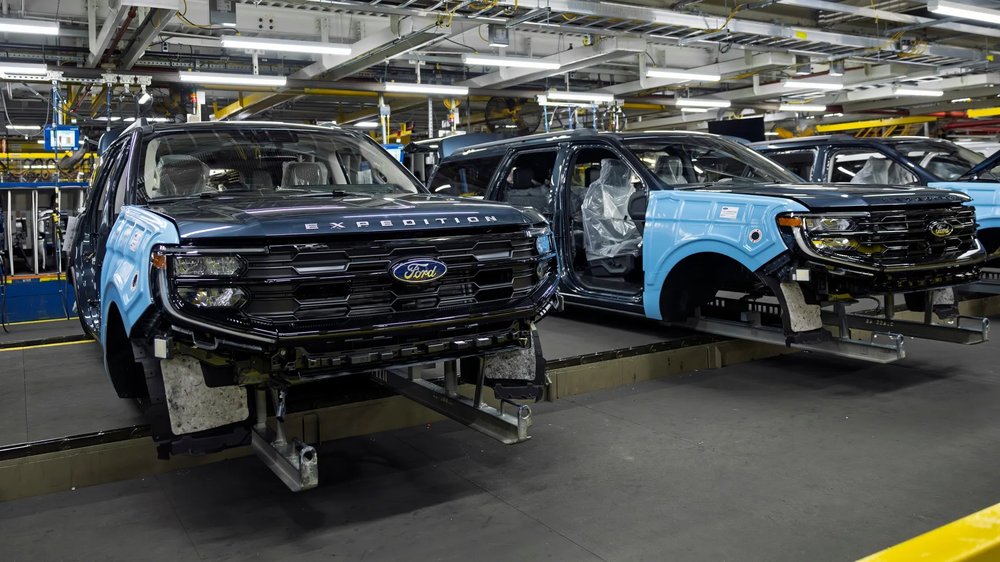
In a significant reversal, Ford has credited its recent quality turnaround to the reintroduction of experienced engineers, rather than relying solely on artificial intelligence. After automating parts of its quality control process, the company encountered problems that ultimately cost it billions of dollars. To address these issues, Ford hired around 350 veteran engineers over the past three years, who brought a human touch to the quality control process. By identifying potential failure points before they became major problems, these engineers helped Ford improve its quality rankings, rising from 15th place in the 2023 JD Power Initial Quality Study to first in the 2026 rankings.
The company's approach now combines automation with human expertise, using experienced engineers to train AI models and better identify potential issues. This integration has led to a decrease in warranty claims and recall costs, with Ford aiming to cut $1 billion in costs this year. The company's experience serves as a reminder that while AI can be a powerful tool, it is often most effective when used to amplify human expertise, rather than replace it. By combining the strengths of both human and artificial intelligence, Ford has been able to achieve a significant quality rebound, with implications that extend beyond the auto industry.
Source: CarBuzz
Ready to Modernize Your Business?
Get your AI automation roadmap in minutes, not months.
Analyze Your Workflows →