FBI Probes North Korean Remote Worker at US Agency; Experts Share Warning Signs
The traditional image of a hacker breaking through a firewall is outdated. A growing threat involves North Korean operatives who apply for remote jobs, pass interviews, receive legitimate...
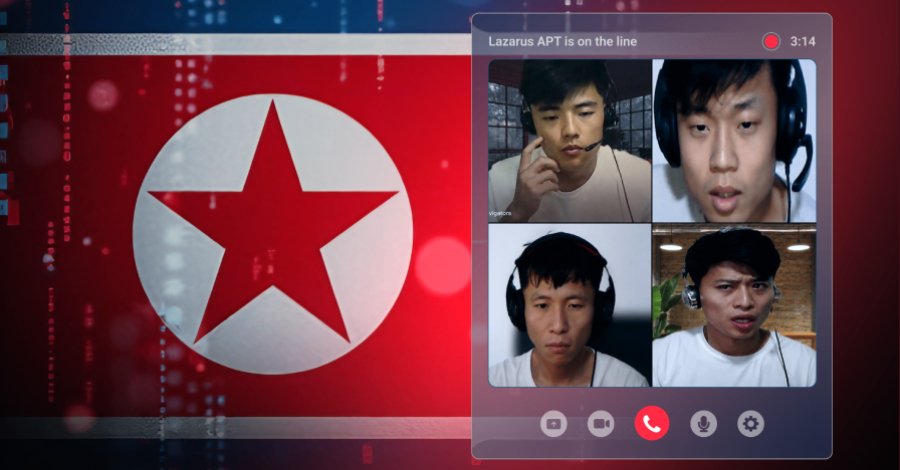
The traditional image of a hacker breaking through a firewall is outdated. A growing threat involves North Korean operatives who apply for remote jobs, pass interviews, receive legitimate credentials, and end up inside corporate systems without triggering alarms. The FBI is now investigating one such remote IT worker who reportedly worked for a U.S. federal agency, making the risk concrete for security leaders.
A joint investigation by Mauro Eldritch (BCA LTD), Heiner García (NorthScan), and ANY.RUN revealed how these operations unfold. The researchers deliberately hired suspected DPRK developers linked to the Lazarus Group, giving them virtual desktops that were actually controlled sandboxes. This setup captured their activity in real time, exposing forged identities, remote-access tools, AI-assisted workflows, and VPN and VPS infrastructure. The findings highlight that no single red flag is definitive, but small inconsistencies across the hiring process often appear together.
Warning signs include identity details that contradict each other - such as addresses, documents, or banking information - and signs of document manipulation like unusual metadata or AI-altered IDs. Interview behavior that seems assisted, including repeated off-screen glances, delayed responses, or reliance on live translation tools, also warrants attention. Location mismatches between network activity and the candidate's claimed residence are another clue. None of these signals proves malicious intent on its own, but when several appear, deeper verification is needed before granting access.
The investigation also produced specific infrastructure indicators, including several IPv4 addresses linked to VPN exit nodes and DPRK-operated VPS systems, along with three blockchain wallet addresses. Security teams are advised to cross-check these indicators against historical logs, EDR telemetry, and DNS data. A match is not proof of DPRK activity, but it can justify a deeper look. The researchers recommend using interactive sandboxes to safely observe suspicious activity and turning confirmed findings into ongoing detection through threat intelligence feeds. The core message for CISOs: hiring decisions must involve security from the start, with deeper identity checks and continuous monitoring to prevent a fraudulent hire from becoming a trusted insider.
Source: The Hackers News
Ready to Modernize Your Business?
Get your AI automation roadmap in minutes, not months.
Analyze Your Workflows →