FAA Takes to the Skies with AI-Powered Solutions to Enhance Safety and Reduce Congestion
In a bid to modernize the nation's aging air traffic systems, the Federal Aviation Administration (FAA) has unveiled a suite of AI-powered tools designed to tackle pressing issues of flight safety...
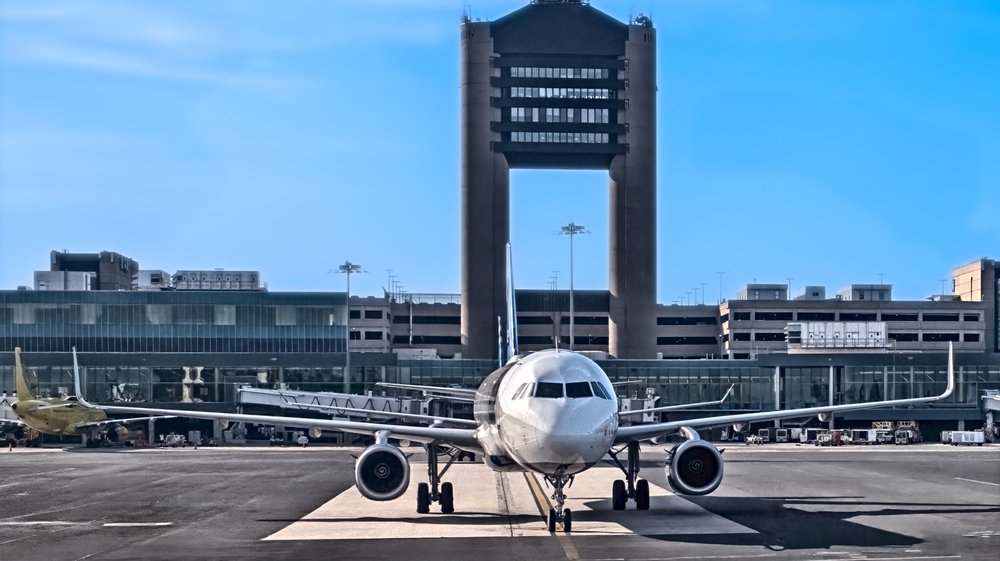
In a bid to modernize the nation's aging air traffic systems, the Federal Aviation Administration (FAA) has unveiled a suite of AI-powered tools designed to tackle pressing issues of flight safety and congestion. This development comes on the heels of a revised budget request by Secretary of Transportation Sean Duffy, which emphasizes the integration of artificial intelligence. At the forefront of this initiative are AI models that synthesize data from disparate databases, enabling more efficient analysis and decision-making. One such model, Foundry, developed by defense contractor Palantir, will identify patterns in airport safety issues by analyzing scattered data across federal government and other sources.
This insight will inform new guidance, investments, and upgrades to mitigate risks. The first year of development is estimated to cost $4 million. It's essential to note that Foundry's capabilities are focused on detecting repeatable behaviors and hotspots that increase statistical risk, rather than predicting individual instances. Meanwhile, Boston-based Air Space Intelligence (ASI) has been awarded a contract to create AI models aimed at easing traffic congestion by predicting bottlenecks and delays.
The FAA's new technological backbone, the Flow Management Data and Services (FMDS), will incorporate ASI's Strategic Management of Airspace, Routes and Trajectories (SMART) system. SMART will help coordinate the vast amounts of data on weather, airport construction, and runway closures, currently held in separate systems, to reduce holding patterns and landing delays. With a price tag of $875 million, the rollout of ASI's SMART is scheduled for September, albeit with a staged introduction, starting with traffic above 24,000 feet. As the FAA embarks on this significant overhaul, questions arise about the adequacy of testing for these AI systems and the potential risks associated with handing over critical air traffic control functions to automated systems, even with human oversight.
The government's willingness to adopt cutting-edge technology is a double-edged sword, balancing the need for innovation with the imperative of ensuring safety and reliability.
Source: Jalopnik
Ready to Modernize Your Business?
Get your AI automation roadmap in minutes, not months.
Analyze Your Workflows →