Digital Wallets Become Lifeline for Lebanon's Displaced
Over one million people have been displaced within Lebanon since March, according to the International Organization for Migration. The mass movement of people, stemming from conflict, has...
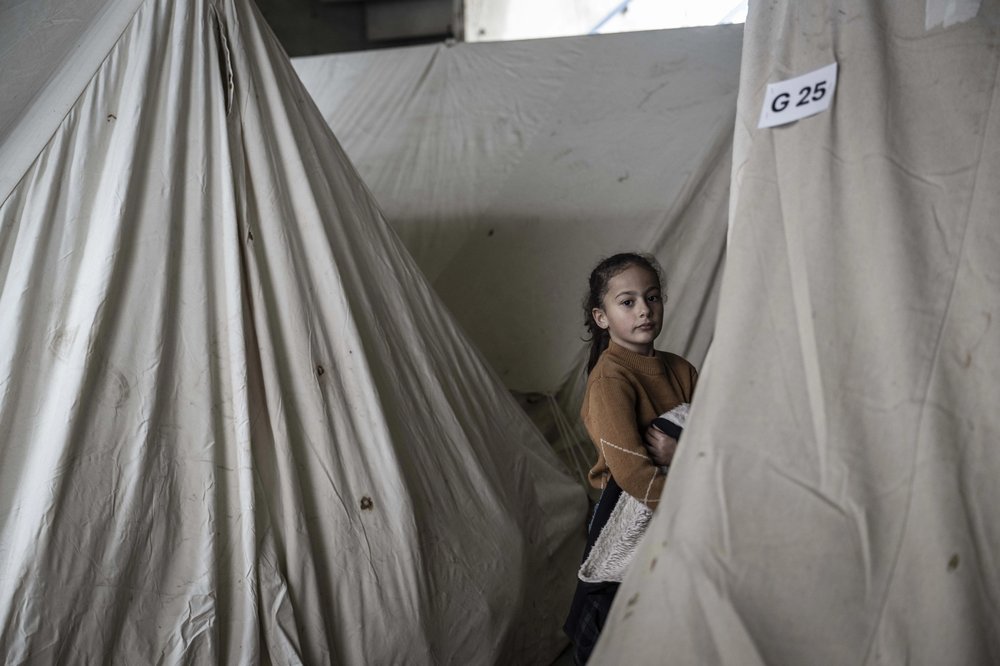
Over one million people have been displaced within Lebanon since March, according to the International Organization for Migration. The mass movement of people, stemming from conflict, has overwhelmed the country's infrastructure, leaving families in cars, open spaces, or crammed into relatives' homes. An estimated 130,000 more have crossed into Syria.
In response, a surge of financial support is arriving from the Lebanese diaspora and international networks. But this money is increasingly bypassing traditional aid organizations. It is flowing directly to individuals through digital fintech platforms, where trusted local contacts convert donations into supplies or cash for distribution.
While no official tally exists for these war-linked donations, the scale of Lebanon's reliance on external funds is clear. The United Nations Development Programme notes the country receives $6 to $7 billion in annual remittances, roughly a third of its GDP. What's changing is the mechanism. Money is now moving peer-to-peer, instantly, via digital wallets.
Platforms like Whish Money, which began by digitizing gift cards, have become essential. The company's chairman, Toufic Koussa, explains they built a wallet system in 2007 that has since grown into a full financial ecosystem serving over two million users. During Lebanon's banking collapse, such tools provided a necessary alternative for the unbanked.
Today, that infrastructure dictates crisis aid. Funds from abroad land in a digital wallet and can be spent immediately. Koussa observes transaction patterns shifting: purchases are larger as families stockpile essentials, and inflows from abroad have risen noticeably.
The system is largely informal, coordinated by grassroots organizers and influencers who collect and distribute funds. A 2025 study points to cratering public trust in Lebanese government institutions, explaining why these personal networks have become so central. Koussa confirms these efforts are "100 percent" coordinated through fintech platforms, which still conduct anti-money laundering checks.
This model carries regulatory ambiguity, operating in a gray zone between financial rules and crisis response. Yet its foundation is simple: trust. With confidence in banks shattered, digital platforms offer a practical alternative. "Trust is the new currency," Koussa states. For those displaced, that trust translates to aid that arrives swiftly and can be used without delay. Koussa believes the shift is permanent: "Retail banking, the way we used to know it, I think it's done."
Source: Wired
Ready to Modernize Your Business?
Get your AI automation roadmap in minutes, not months.
Analyze Your Workflows →