Can Julia Break Python's Grip on Scientific Computing?
There's a dirty secret in scientific computing that few researchers like to talk about: Python, the darling of data science, is painfully slow. Even its biggest fans admit it. This has created...
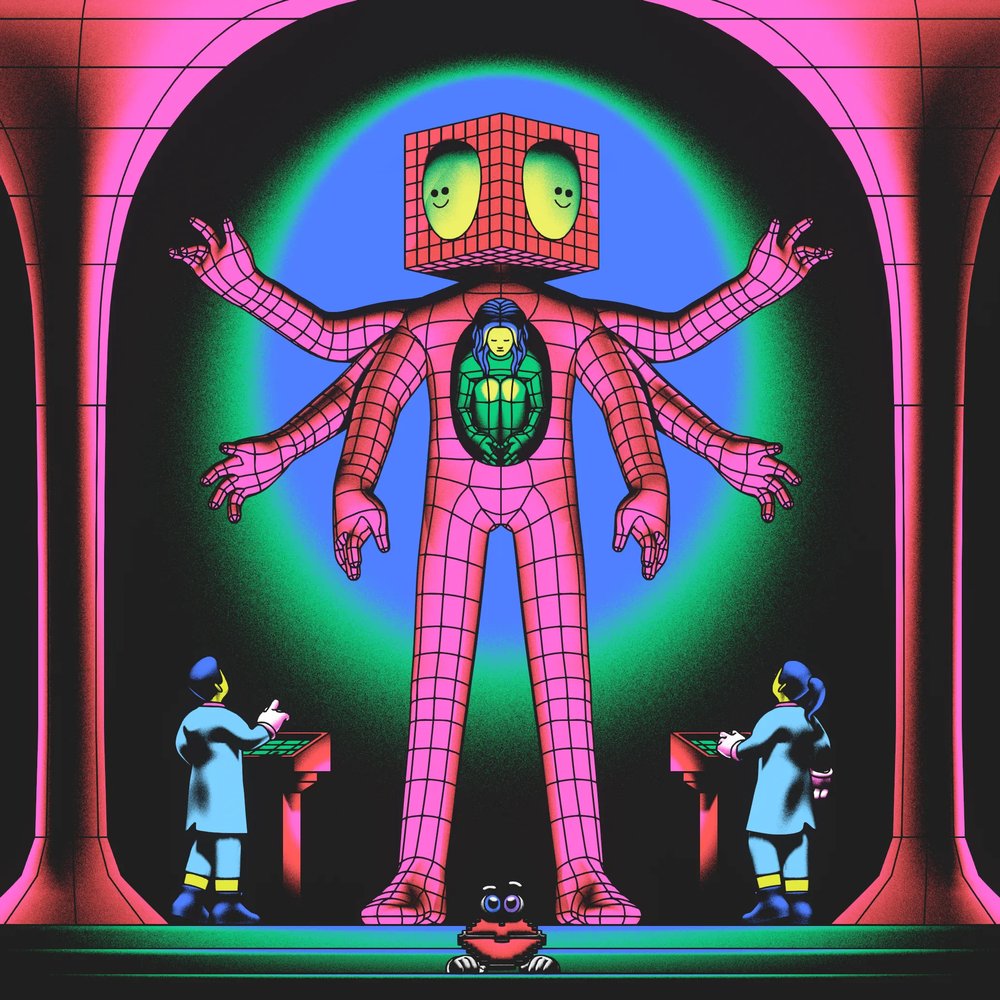
There's a dirty secret in scientific computing that few researchers like to talk about: Python, the darling of data science, is painfully slow. Even its biggest fans admit it. This has created what programmers call the two-language problem - scientists prototype ideas in user-friendly Python, then have to rewrite the performance-critical parts in faster but harder languages like C++ or Rust. It's like building a model house out of wood, then tearing it down to rebuild in steel.
Enter Julia, a language born in 2012 from the frustration of four mathematicians who wanted something better. They called themselves greedy - they wanted a language as easy as Python but as fast as C. Julia's creators studied what made other languages fail and borrowed the best ideas. By 2017, neuroscientists were using it to map the brain's connectome. Today, Julia users report speedups of 10 to 1,000 times over Python, and its community remains refreshingly drama-free, focused on serious work at places like CERN, NASA, and ASML.
So why hasn't Julia taken over? The answer is ecosystem. Python's libraries and tools are so deeply embedded that dislodging them would take a miracle - or corporate backing. Big Tech hasn't adopted Julia the way Apple embraced Objective-C or Google pushed Kotlin. But maybe that's okay. Julia has found its niche in heavy-duty scientific computing, drug discovery, and advanced machine learning. It may never be the most popular language, but for the work that matters most, it's more than enough. The two-language problem may never fully disappear, but Julia proves we can get a lot closer.
Source: Wired
Ready to Modernize Your Business?
Get your AI automation roadmap in minutes, not months.
Analyze Your Workflows →