Brain-IT AI Reconstructs Viewed Images from fMRI Scans, Researchers Report
A new artificial intelligence system called Brain-IT can reconstruct the images people looked at by analyzing functional magnetic resonance imaging (fMRI) data from the visual cortex, according to...
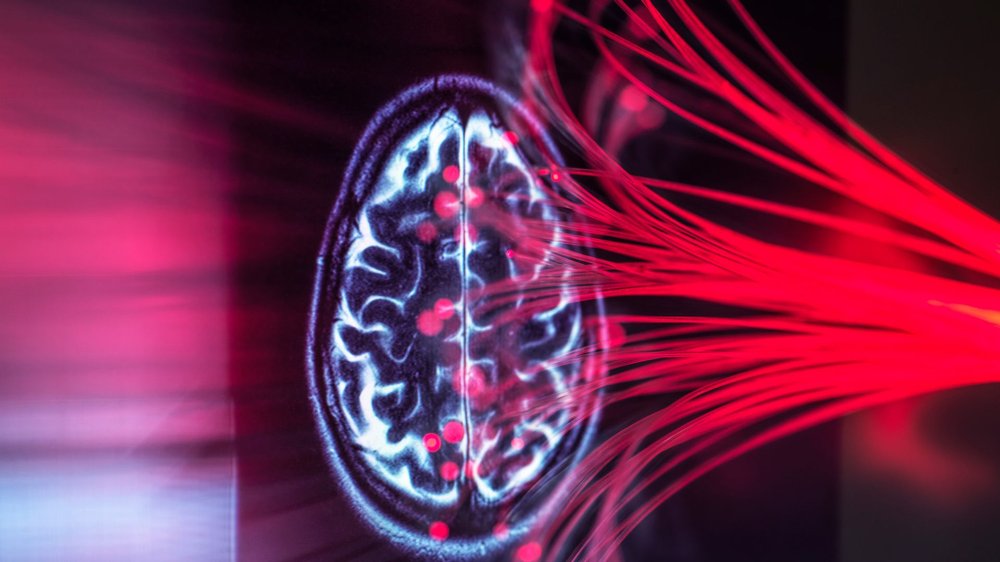
A new artificial intelligence system called Brain-IT can reconstruct the images people looked at by analyzing functional magnetic resonance imaging (fMRI) data from the visual cortex, according to research presented at the ICLR 2026 conference.
The tool builds on an approach known as the Universal Brain Encoder, which predicts expected fMRI responses in individual voxels - tiny 3D units of brain tissue. "The key idea is that every voxel gets its own learned vector that captures what it cares about in images," said first author Roman Beliy, a doctoral candidate at the Weizmann Institute of Science in Israel.
Brain-IT sorts thousands of measurements from the visual cortex into 128 groups based on the visual information they carry, then lets those groups share clues. The decoder produces two predictions: semantic information about likely content and structural information about layout. These guide an image generator, giving it a starting point rather than beginning from noise.
The system outperformed prior leading methods on standard reconstruction metrics, the authors wrote. With just one hour of fMRI data from a new participant, it matched earlier approaches trained on 40 hours of recordings.
However, the researchers caution the tool cannot reproduce memories or imagined scenes. "We're not reading people's thoughts," said co-author Michal Irani. "The images we do manage to recover from fMRI require people's cooperation and full intended collaboration."
The final stage uses an off-the-shelf diffusion generator trained on massive image sets, which can add polish and details not drawn from brain data itself. Beliy noted this "beautification" can make reconstructions more convincing while introducing features beyond the scan.
A key limitation is that reliable results require fMRI scanning, which is cumbersome and expensive. The team is experimenting with EEG data, but that work is in very preliminary stages, Irani said. The researchers suggest the tool could eventually help clinicians study neurological, neurodevelopmental and psychiatric conditions.
Source: Llive Science
Ready to Modernize Your Business?
Get your AI automation roadmap in minutes, not months.
Analyze Your Workflows →