Apple’s $250 Million Payout: A Cautionary Tale on AI Hype and Hardware
Apple has agreed to a $250 million settlement to resolve class-action lawsuits accusing the company of overstating the AI capabilities of its latest iPhones. The payout covers U.S. buyers of...
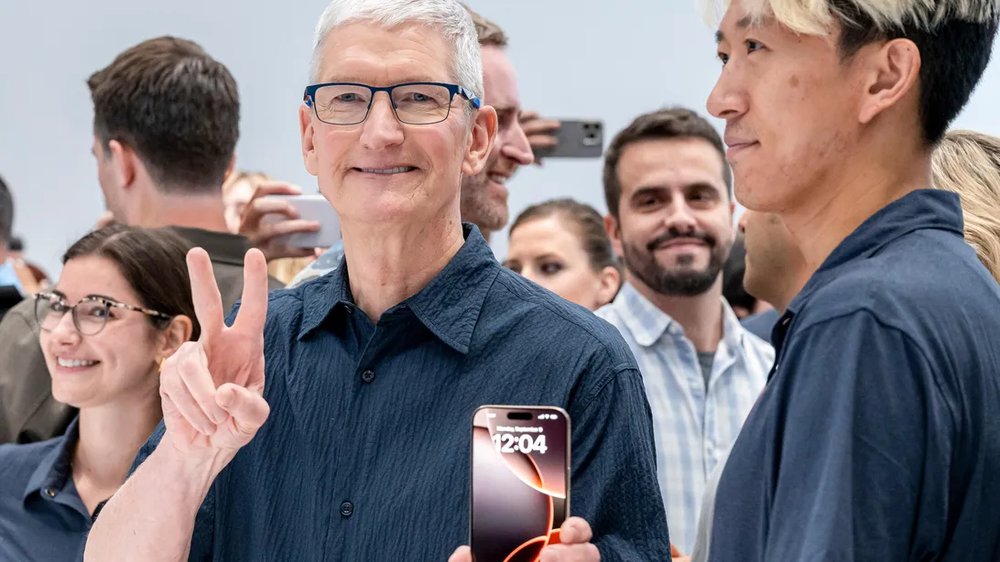
Apple has agreed to a $250 million settlement to resolve class-action lawsuits accusing the company of overstating the AI capabilities of its latest iPhones. The payout covers U.S. buyers of iPhone 16, iPhone 16E, iPhone 15 Pro, and iPhone 15 Pro Max models purchased between June 10, 2024, and March 29, 2025. Individual claims start at $25 per device and could reach $95, depending on total applicants.
The legal complaints centered on Apple’s marketing for Apple Intelligence, which debuted partially on the iPhone 16 line in September 2024. Key features, including an upgraded Siri, were delayed—some into 2026—after being prominently advertised. The settlement notes that “Apple allegedly saturated the market with deceptive ads, inducing consumers to purchase iPhones based on the promise of certain Enhanced Siri features.” Apple denies wrongdoing, but the payout reflects the gap between promise and delivery.
For business leaders, this case underscores a growing tension in AI hardware: the pressure to ship devices with cutting-edge AI capabilities before the software stack is ready. Apple’s decision to integrate Google’s Gemini models for Siri upgrades—now expected by late 2026—shows how even the largest players lean on external infrastructure when in-house AI falls short. The settlement may reshape how tech companies balance feature marketing with realistic deployment timelines. For now, affected iPhone owners can file claims, while Apple continues to roll out features like Visual Intelligence and Genmoji—proof that the AI pipeline, though delayed, is still flowing.
Source: CNET
Ready to Modernize Your Business?
Get your AI automation roadmap in minutes, not months.
Analyze Your Workflows →