Anthropic Expands Claude Code Oversight With New Compliance API, But Gaps Remain
Anthropic has introduced new Compliance API endpoints for Claude Code, giving security teams a clearer view into how the AI coding assistant operates on developers' machines. The tool reads files,...
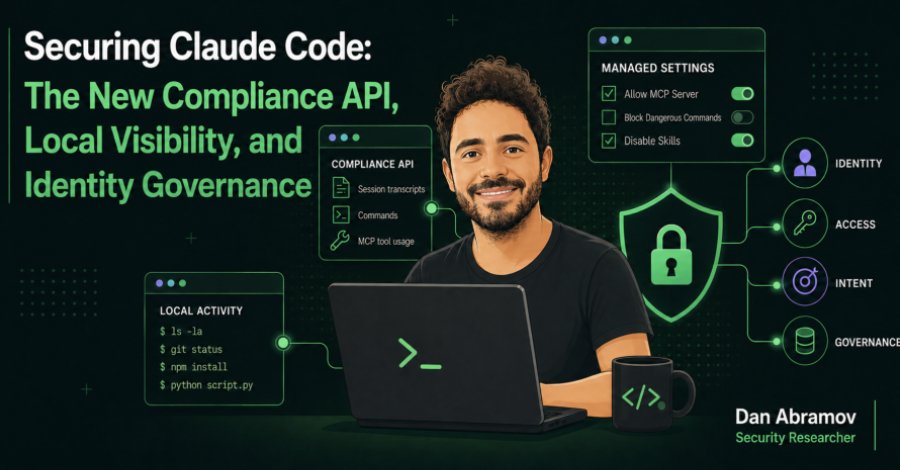
Anthropic has introduced new Compliance API endpoints for Claude Code, giving security teams a clearer view into how the AI coding assistant operates on developers' machines. The tool reads files, runs shell commands, and invokes MCP tools using the credentials available on the endpoint. The new local session transcript endpoints, added August 11, 2026, allow organizations to retrieve session metadata and full transcripts of interactions with Anthropic's models.
However, experts note that activity logs alone cannot determine whether an agent's access is legitimate. Local agents represent 68.6% of AI agents discovered in customer environments, according to Token Security. Before the API update, Anthropic's native controls offered limited visibility into local agent activity, pushing teams toward third-party extensions. The API now covers interactions with Anthropic's models, but sessions running on Bedrock, Foundry, or Google Cloud are not included.
The system relies on managed settings for policy enforcement, with rules covering MCP server allow/deny lists, regex over bash commands, and disabling skills. Yet these static policies lack context and intent. OpenTelemetry can capture actions that never reach the LLM, such as hook executions and permission decisions, but transcripts contain sensitive data like PII and secrets, requiring careful storage handling.
Endpoint collection remains essential for harvesting config files, skills, and plugins that the API cannot see. Token Security finds over 10 configuration files per local agent on average. Even combining all three layers - managed settings, session transcripts, and endpoint data - still leaves gaps in tying actions to enterprise context and intent. Correlating endpoint activity with internal repositories helps identify malicious skills, and identity governance is needed to connect signals to an agent's owner, credentials, and access paths.
Source: The Hackers News
Ready to Modernize Your Business?
Get your AI automation roadmap in minutes, not months.
Analyze Your Workflows →